


Stress is harmful in more ways than one. It can contribute to poor mental health and affect your physical health, weight, and every aspect of your life, making it less enjoyable as your health deteriorates. Too much stress can result in anxiety, leading to increased emotional responses. Even your pets can have stress and anxiety too! Unfortunately, you can’t avoid all stress, but you can reduce your stress to improve your health. Can less of it help you live longer? Yes, it can. Too much stress can contribute to poor health, which could impact your longevity, so it stands to reason that less stress can help you live much longer.
Different Types of Stress
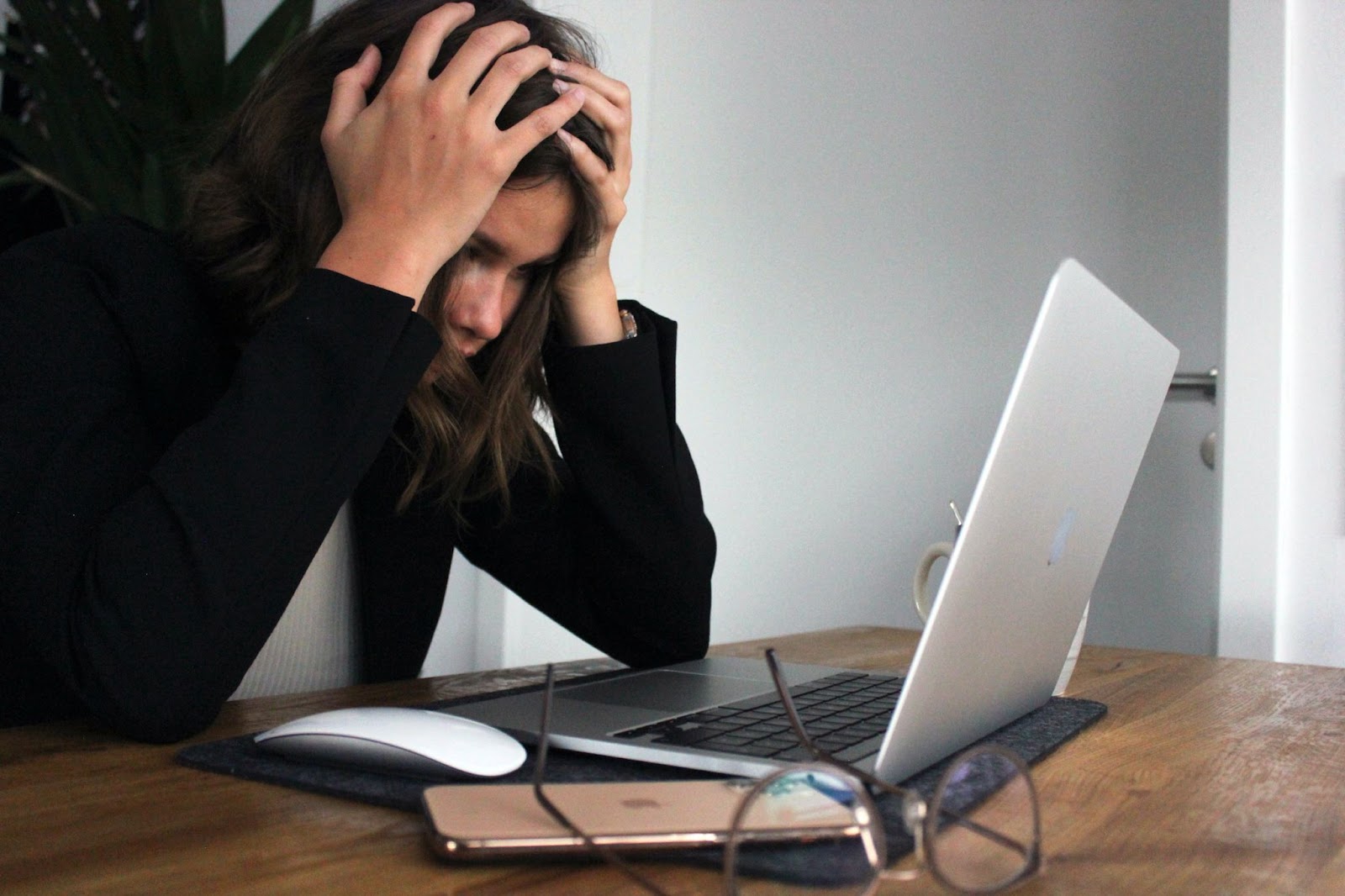
Ultimately, we all deal with two types of stress: good and bad.
Healthy Stress
Good stress is beneficial to your everyday life. For example, if you’re worried about meeting a deadline at work, stress can give you the willpower to sit at your desk and focus. In addition, good stress is a motivator that can help you become more efficient and productive while improving your memory. For example, you’ll feel stressed if you get a bad review at work, which can help you improve your performance.
Mild stress is good for your health in several ways. Consider our natural fight or flight response when we’re afraid or anxious. This was essential to our survival thousands of years ago. Channeling stress can also be used to help improve your life and your health. For example, if your doctor tells you they’re concerned about your weight and discusses the potential health effects of being obese, you might feel more motivated to cut calories and exercise.
Unhealthy Stress
While everyday stress can benefit your health, some forms can cause distress that impacts your emotional and physical well-being. Chronic stress increases the hormone cortisol in your body, raising your blood pressure and using your energy reserves. In addition, individuals with extreme stress have poorer memory, and stress can affect their work and home lives and various relationships.
Unfortunately, chronic stress is associated with high blood pressure, heart disease, depression and anxiety, and fatigue. Stress ages you because it affects your body at a cellular level, specifically your DNA. Telomeres are the DNA at the end of a chromosome, which eventually shorten, age, and die. Those with chronic stress have this process happen prematurely, causing cellular aging.
There are several ways to combat cellular aging, including taking an NAD+ supplement to aid in DNA repair, but the best thing you can do is try to reduce your stress levels and avoid chronic stress. Ultimately, stress affects you at a cellular level, affecting your longevity. Many studies have linked individuals with chronic stress and anxiety to shorter lifespans.
How Less Stress Can Help You Live Longer
Less stress can help you live longer, but too much stress can shorten your lifespan. However, every person is different, so this is just a general statement. No one knows why people with stress and anxiety have shorter lifespans than those without chronic stress.
Many theories suggest stress may be linked to high cortisol levels, which lower immune system function and impact heart health. For example, when you have too much cortisol in your system, your heart rate and blood pressure increase while your digestion slows. If you remain stressed, it can cause high blood pressure, stomach ulcers, and heart disease.
Another theory is the unhealthy habits associated with individuals who experience chronic stress. For example, when you’re stressed, you may reach for unhealthy foods, be less likely to exercise, and engage in unhealthy habits like smoking or staying up too late. These unhealthy habits can drastically shorten your lifespan, potentially leading to drug overdoses, car accidents, and early death due to poor immune system function.
Managing Stress to Live Longer
Since individuals with chronic stress have an increased risk of lowering their lifespan, it’s essential to manage your stress as best you can. Even though we are unsure whether the unhealthy habits associated with stress or the hormonal stress response are causes of a shortened lifespan, we do not know exactly why chronic stress can be harmful to your health. Here are a few tips to help you cope with stress:
- Exercise: Exercise can increase your happy hormones to keep you in a better mood while supporting total body health to prevent heart disease.
- Get quality sleep: Sleep boosts your workout by providing enough energy and motivation to hop on the elliptical or go to the gym. In addition, getting enough sleep can reduce stress, while not sleeping enough can cause mildly stressful situations to be more stressful.
- Eat a healthy diet: The food you eat can directly impact your mental health. A poor diet filled with fatty foods can result in weight gain and additional stress. Meanwhile, eating a healthy diet will provide your body and mind with the essential nutrients to deal with stress.
- Find activities you enjoy: Activities you enjoy can help you focus your thoughts away from whatever is causing you stress. For example, you might feel better after a stressful day of work if you spend time with friends and family.
The Impact of Stress on Lifespan
Ultimately, science hasn’t revealed why individuals with chronic stress don’t live as others, but they have been able to link stress to shortened lifespans. Therefore, one of the best things you can do if you want to live longer and feel better throughout your life is to find ways to cope with everyday stressors.
Whether you work out, meditate, or make time for things you enjoy, like hanging out with friends, having ways to deal with stress can improve your physical and mental health while you’re alive. In addition, managing your stress can improve your work performance, relationships, and overall happiness, allowing you to live a happy life while improving your longevity.
Of course, everyone is different, and stress isn’t the only thing that can affect how long we live. Therefore, you should engage in healthy activities, eat a balanced diet, and get enough sleep and exercise daily to support your overall health.

Megan Isola
Megan Isola holds a Bachelor of Science in Hospitality and a minor in Business Marketing from Cal State University Chico. She enjoys going to concerts, trying new restaurants, and hanging out with friends.


